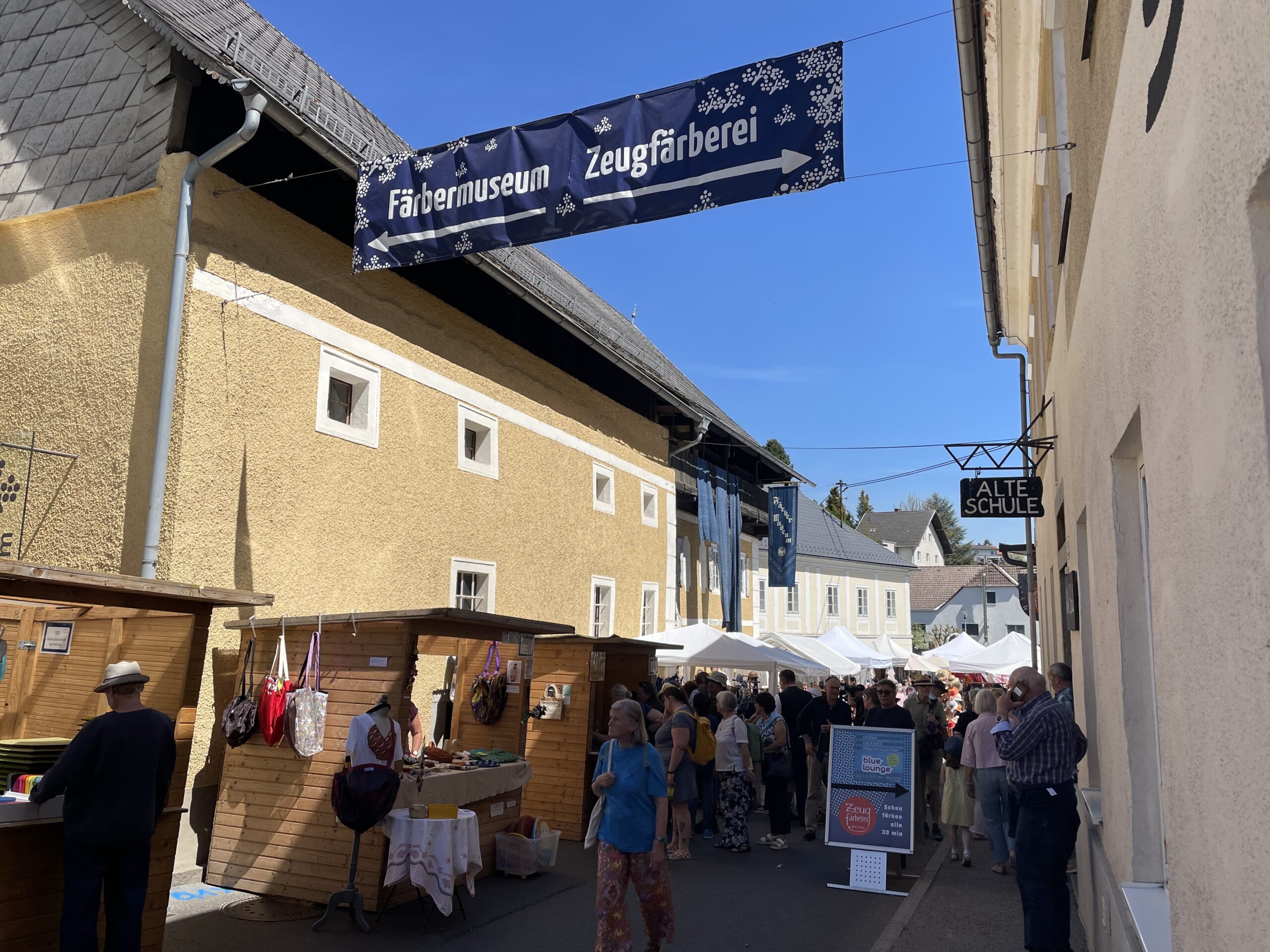
Beginning of May 2026, I visited Färbermarkt in Gutau Austria. This is once a year market where a lot of blaudruckerei come to sell their blaudruck fabrics. Blaudruck is registered as an UNESCO cultural heritage and this is a nice occasion where you can see many blaudruckers from Germany, Austria, Czech and Hungary in one place. This was both my holiday and a research trip.
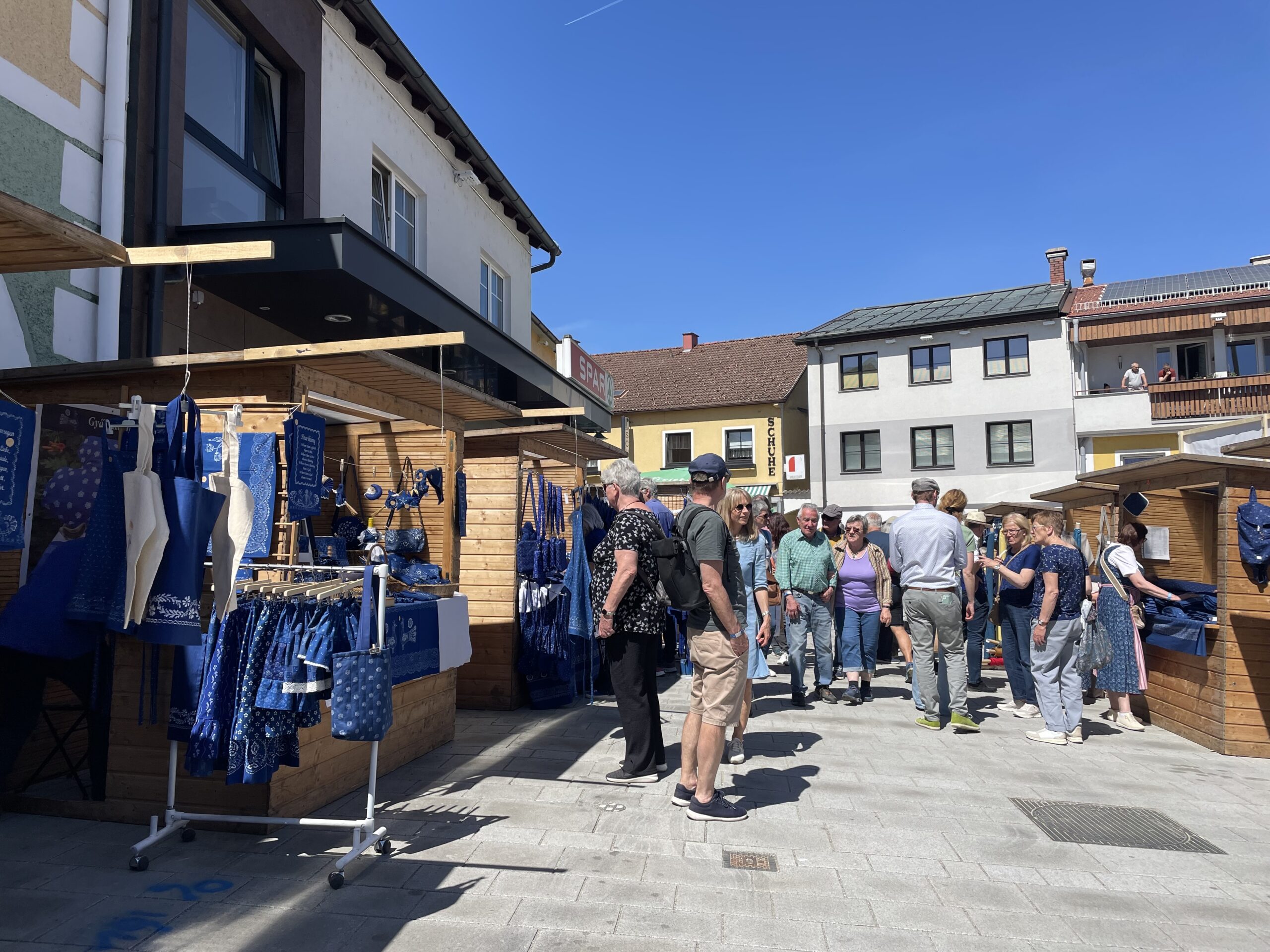
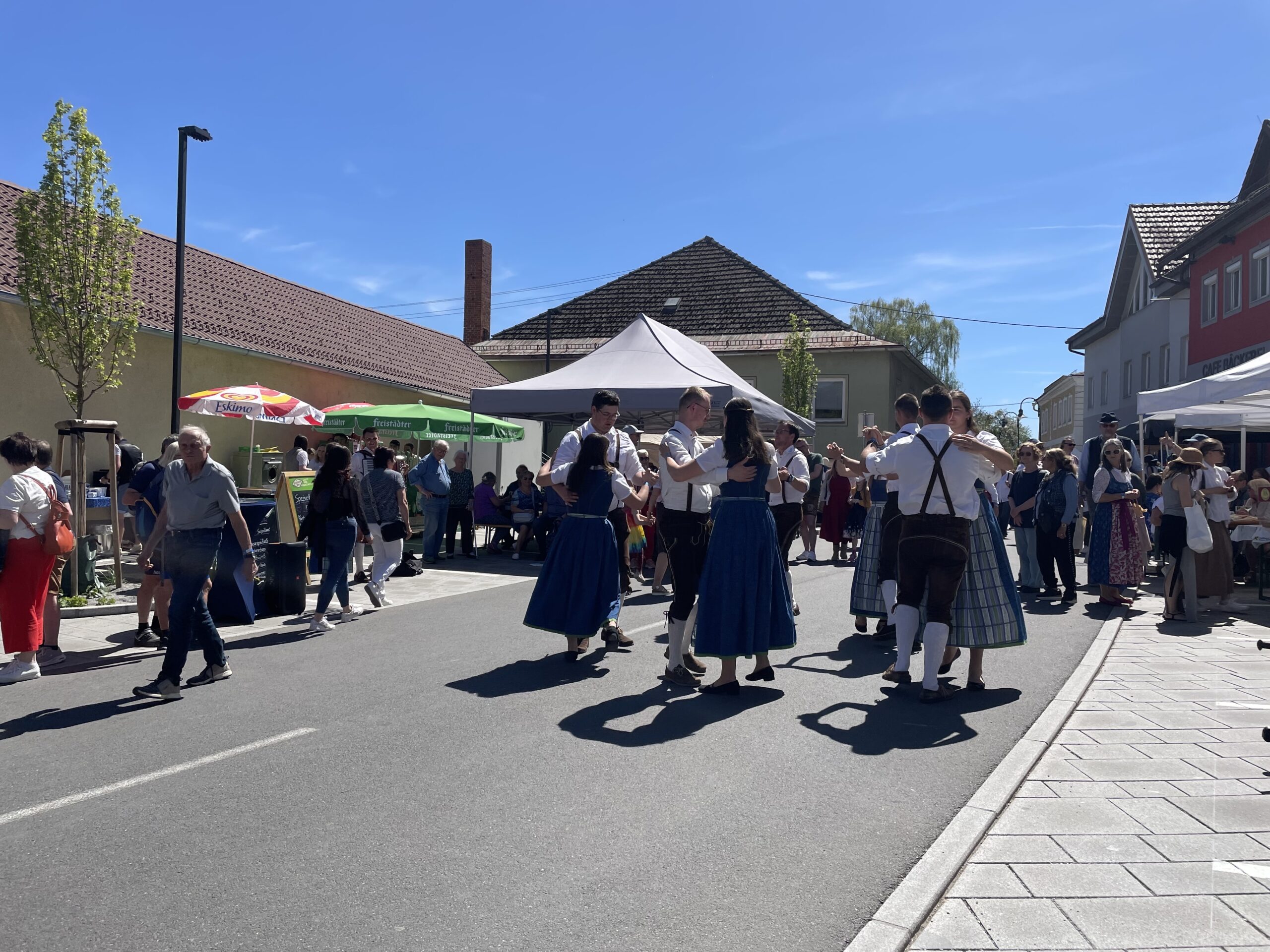
Blaudruck fabrics are still valued as the fabric for Dirndl (Austrian/south german traditional dress). Hand printed blaudruck fabrics costs qutie a bit but when people are tailering a proper Dirndle or a vest for man to go with their Laderhosen, people are willing to spend and it is appreciated. At the market, there were group of people dancing folkdance with traditional clothes, and village band playing with their Blaudruck uniforms.
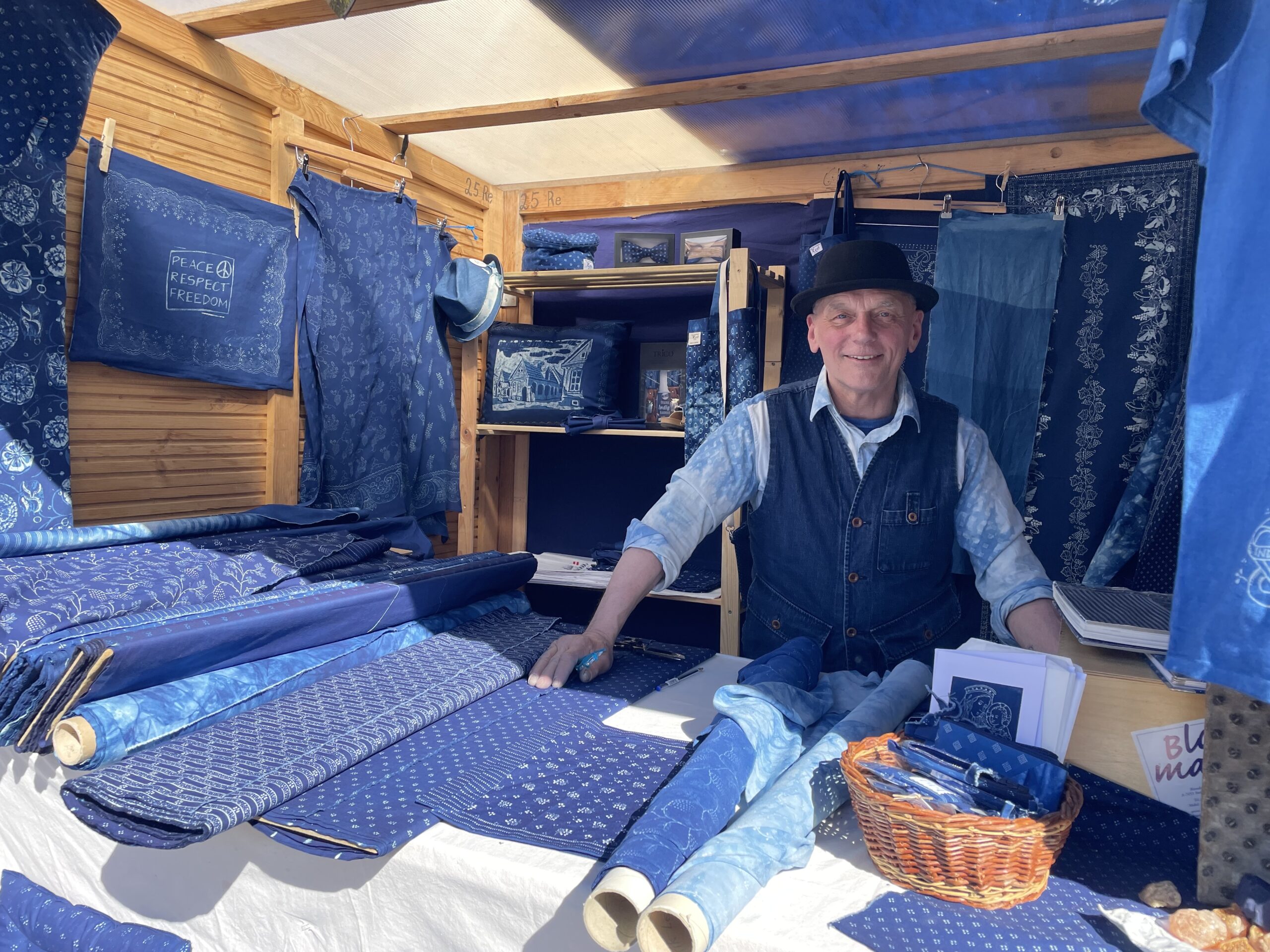
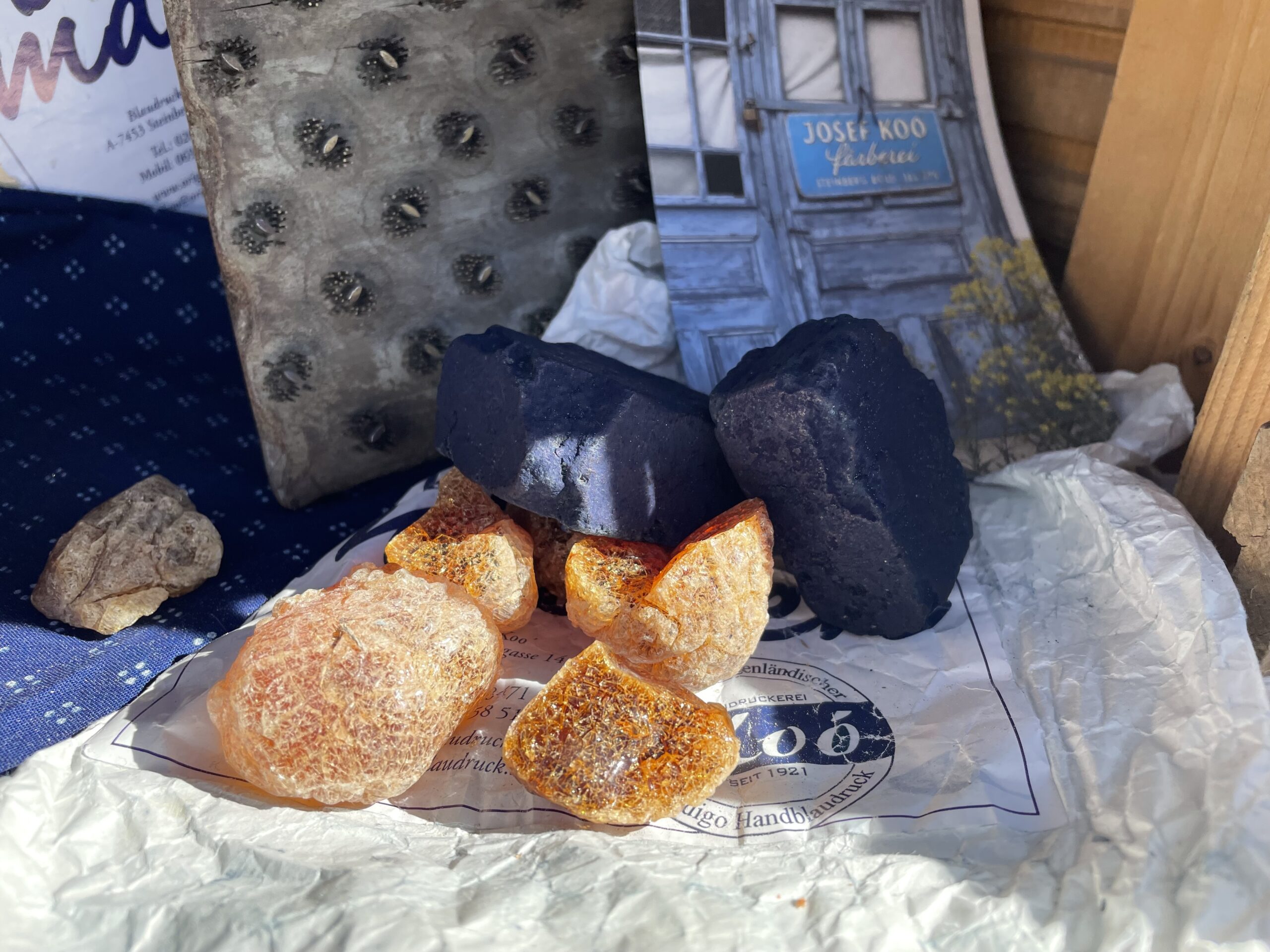
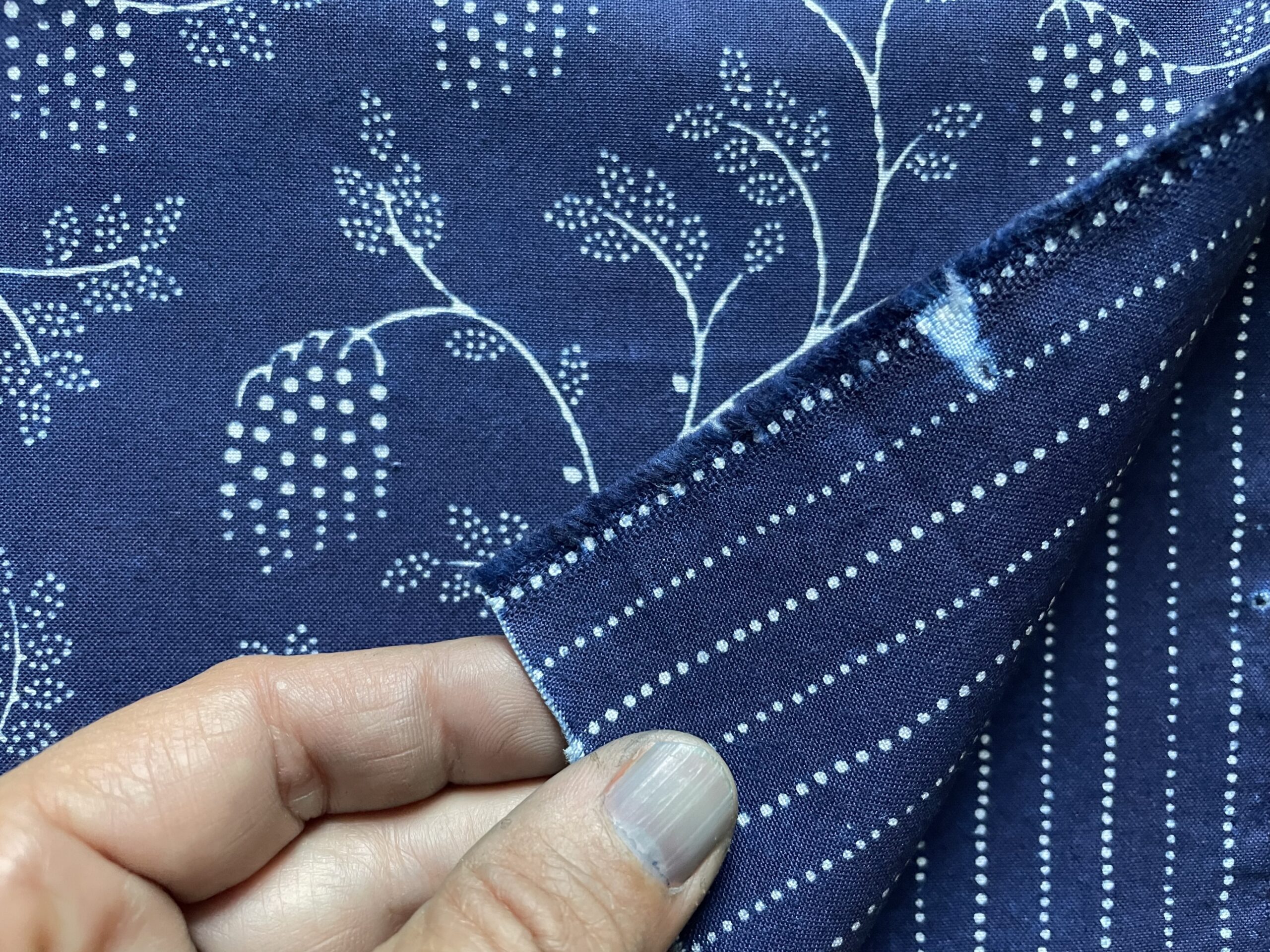
Although not all of the Blaudruck today is dyed with indigo, and very few of them are dyed with natural indigo, Blaudruck Koo from Burgenland Austria is using 100% natural indigo dye (from India) and natural Gum Arabic in their resistpaste. I got his double side printed fabric (haha, I could only afford minimum 20cm cut!). It is deep indigo blue with crisp prints. Very very beautiful.
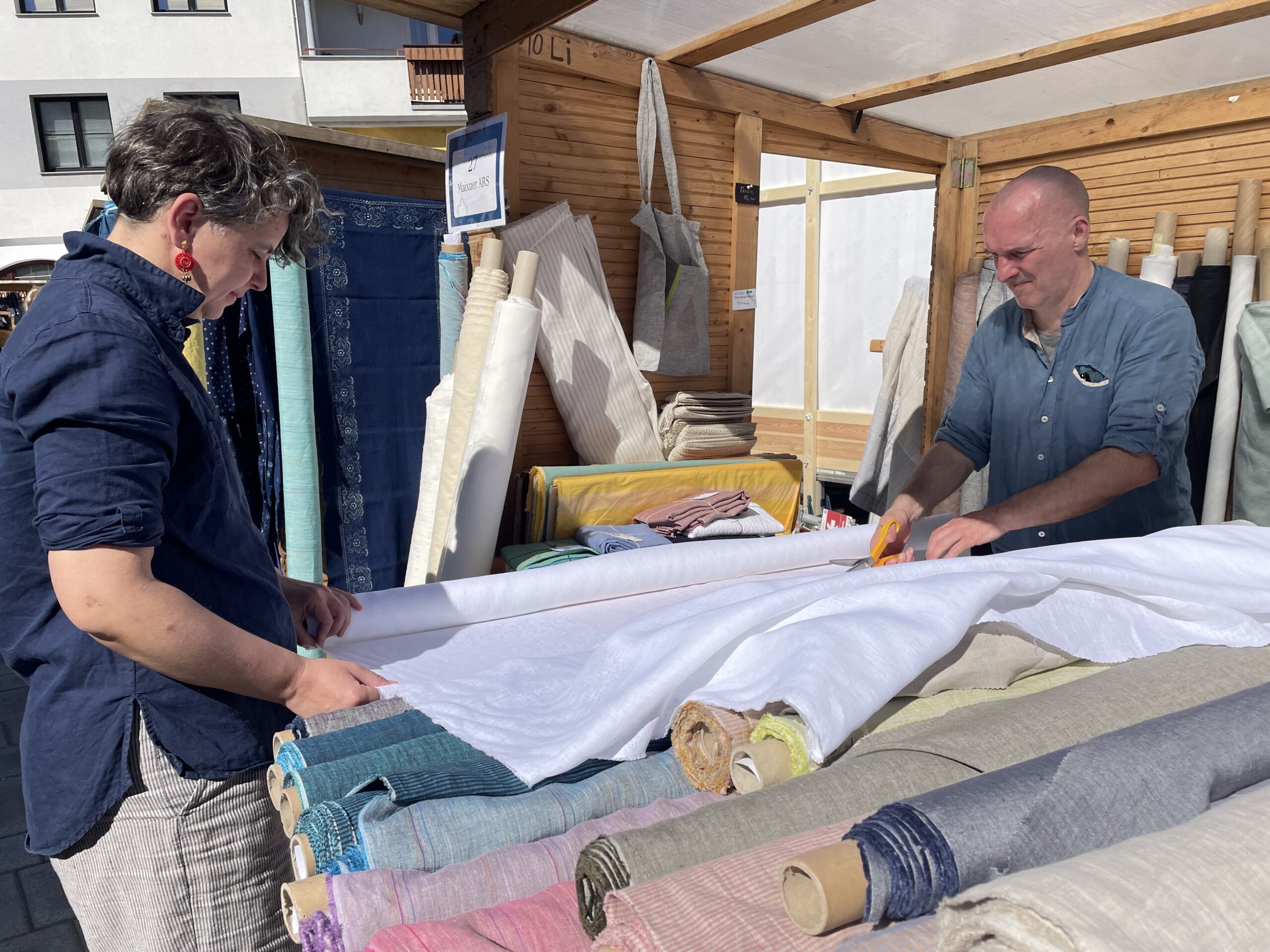
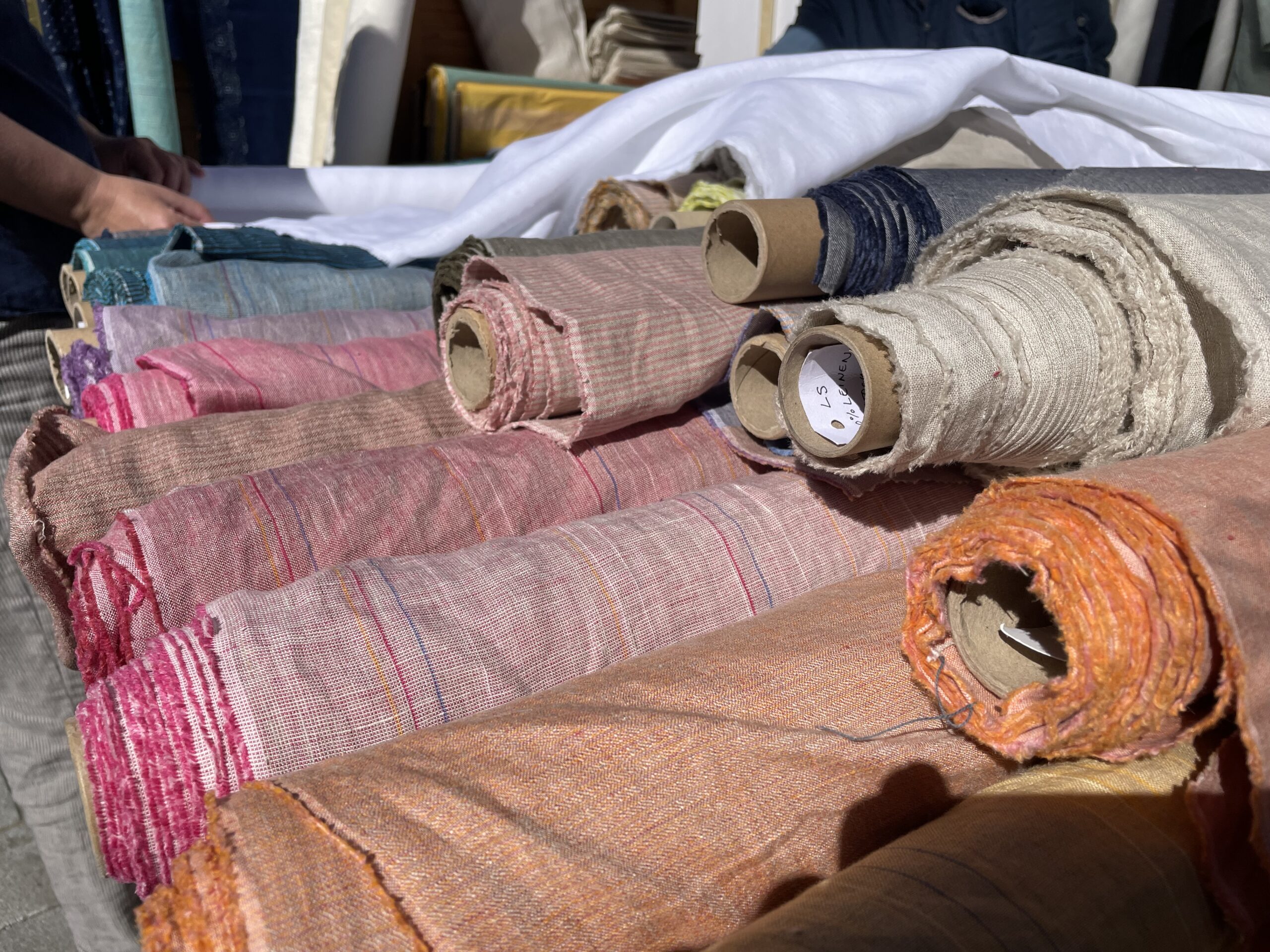
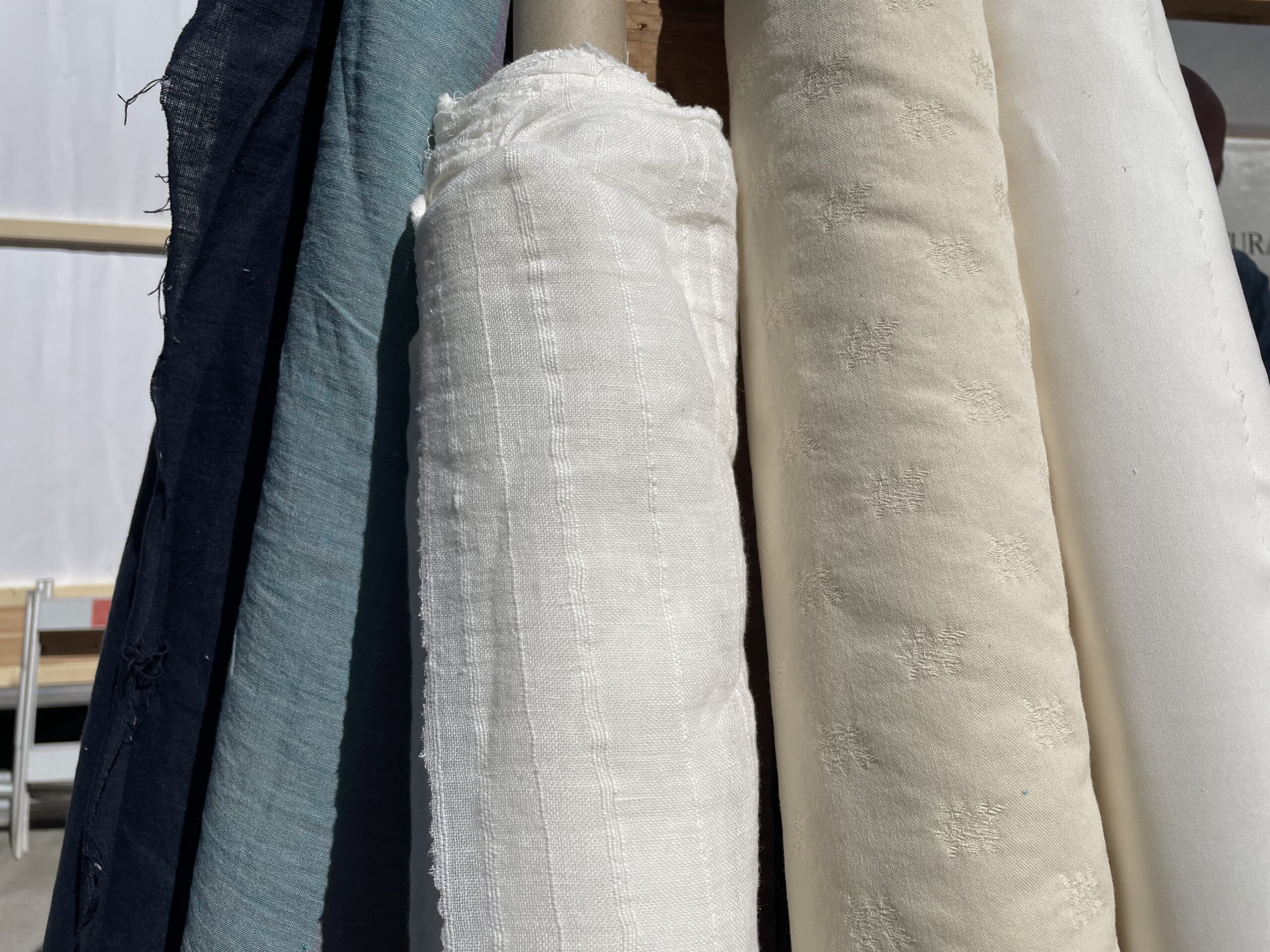
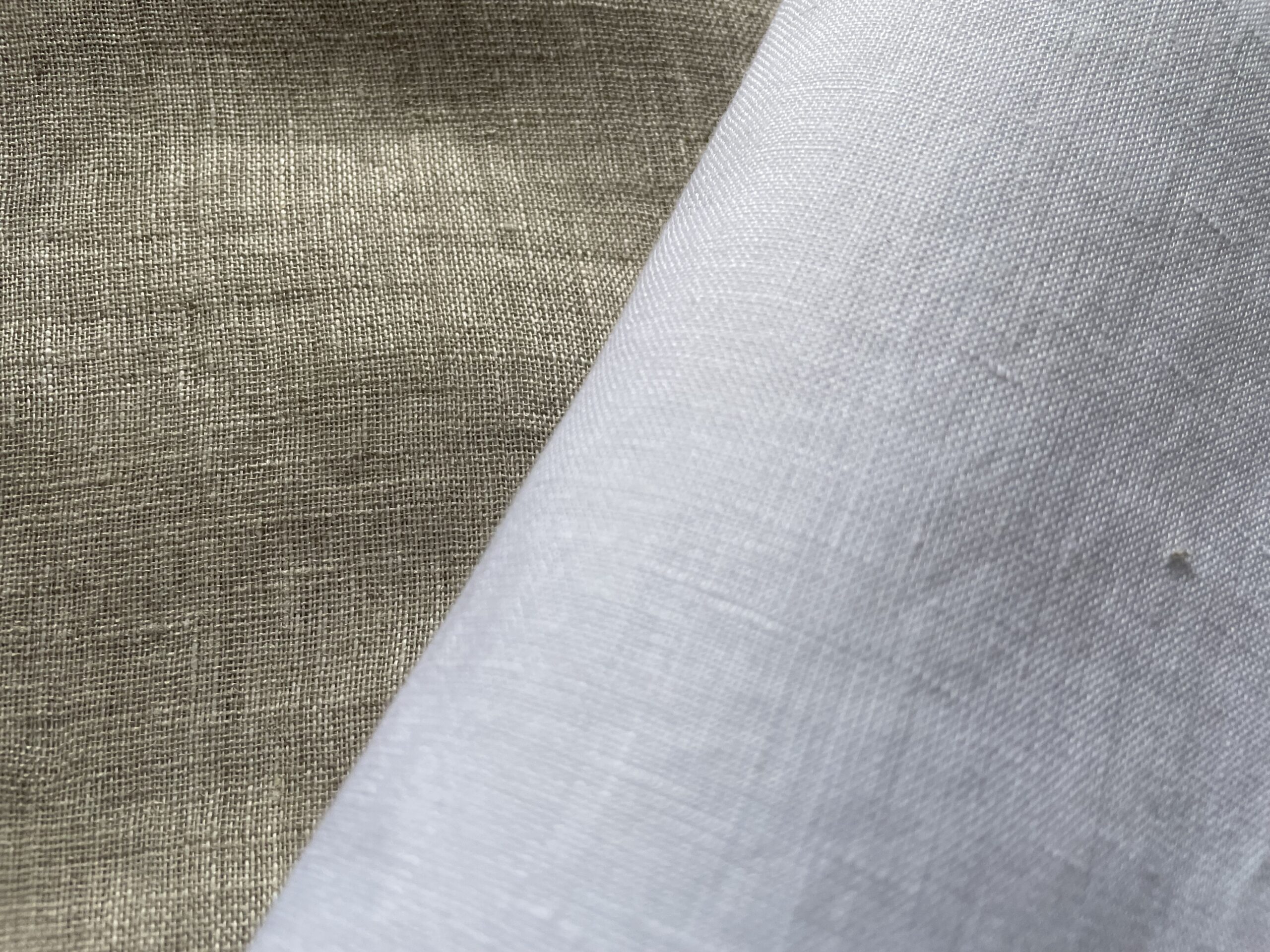
Another treasure I found is this beautiful linen fabric stand by Alan and Theresa (https://www.maixner-ars.cz/). They are based near Bruno Czech and their fabric is woven in a factory near there. I got 2m of white and natural linen from them and made a test with my indigo vat. it dyes very nicely!
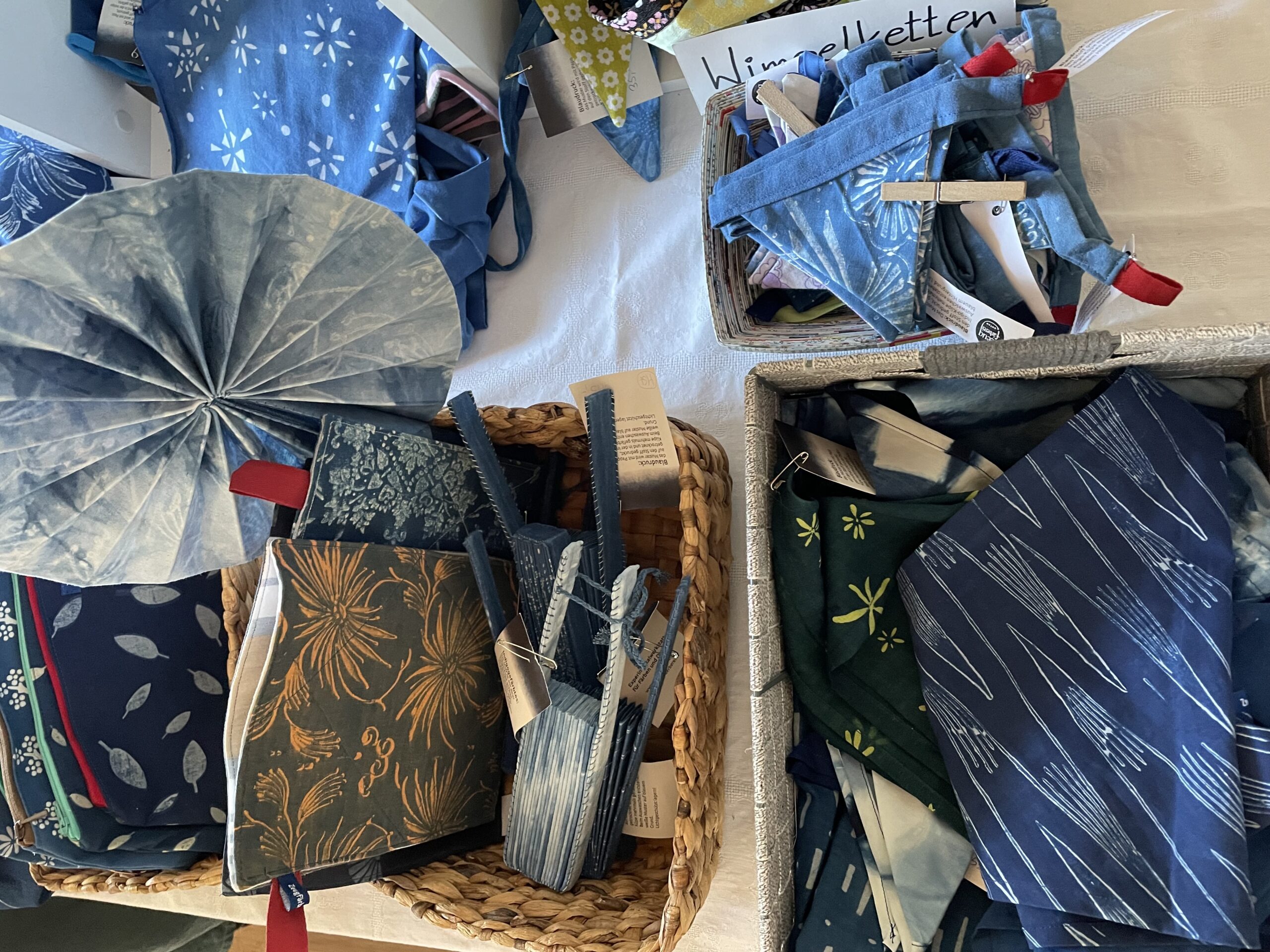
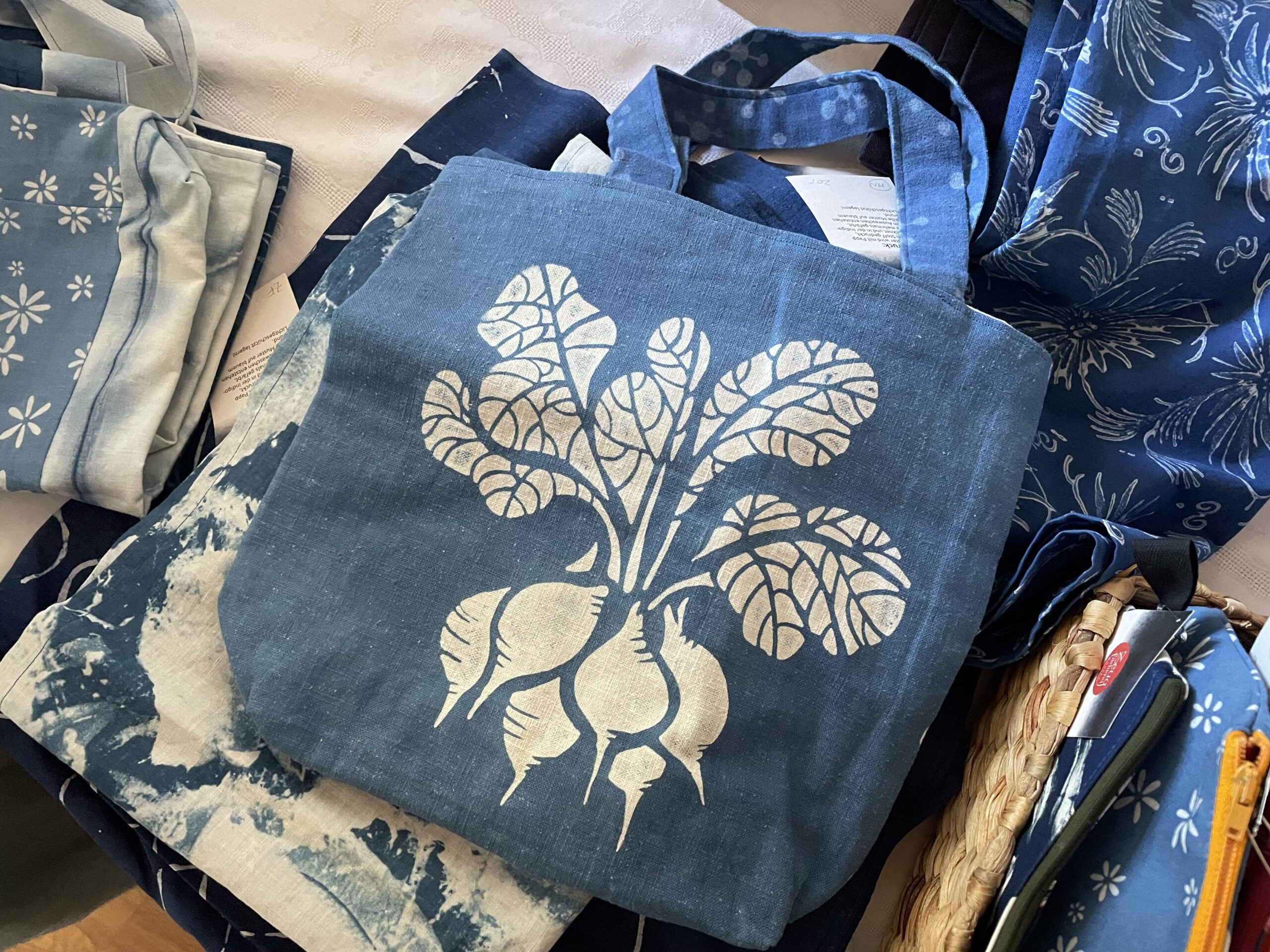
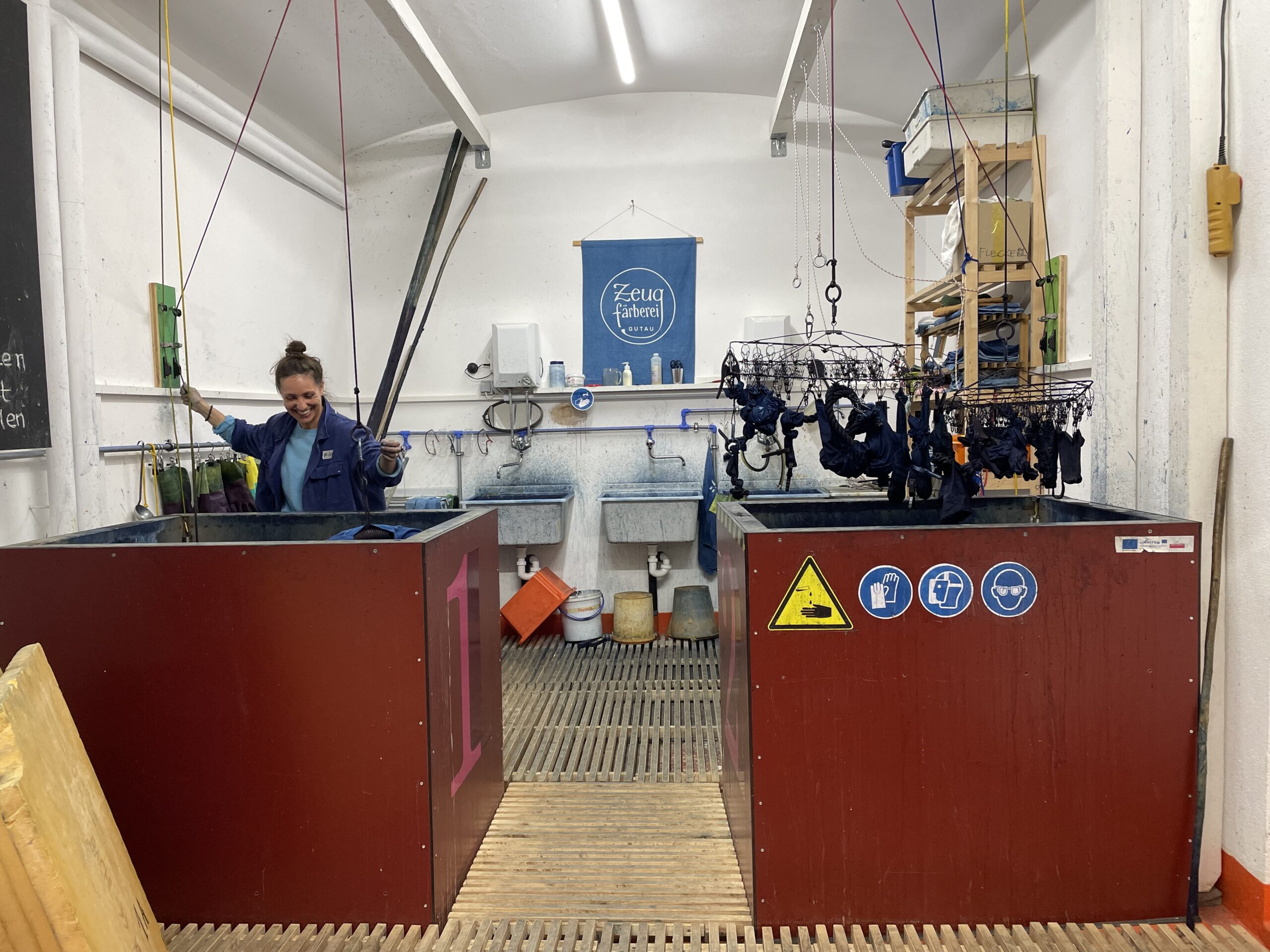
My connection to Gutau is because my dear frind Janina and Martin started the experimental workshop Zeugfärberei. They have this beautiful big deep indigo vat (synthetic indigo with iron sulfate reduction). Zeugfärberei is a verein/association and it is open for public to come and experience dying (and other technique like silkscreen printing). They are a part of OTELO and every last sunday is an openhouse/open workshop day. They do not limit themselves to blaudruck (although there are some blocks there to experiment) but other techniques like katazome. I made a project in 2023, and the kata/stencil from that time is still in use and now I see things made with it, that makes me feel super warm.
During the Färbertmarkt, Zeugfärberei also sold products the members made. Thay had various blaudruck-like resistprint dye fabrics (though, motifs are space invaders and geometric patterns…) to shibori and katazome faberic bags and baby clothes, and many more. Maybe an inspiration for Färberhutte?